A buy to let investment can be an appealing way to grow your finances while building a property portfolio. If you’re exploring your options, a new build may be a good buy to let investment, depending on your circumstances.
In this guide, we look at whether a buy to let new build could suit your goals, how much deposit you need for a buy to let property and what you might want to consider before investing.
Key takeaways
- What is a buy to let? A buy to let investment involves purchasing a property to rent out, with income typically coming from monthly rent
- Possibility of lower costs. New-build homes can offer lower maintenance and running costs early on, often supported by warranties
- Impact of rental yields. Rental yields of around 5 - 8% are often seen as strong, though new builds may deliver more long-term value than immediate returns
- Factors affecting buy to let investments. Key factors such as location, rental demand, financing costs and ongoing expenses will often shape overall profitability
- Additional costs to consider. Stamp Duty surcharges, maintenance, fees and insurance should be considered when planning your investment
What is a buy to let investment?
A buy to let investment means buying a property with the intention of renting it out, rather than living in it yourself. This allows you to potentially earn income from the rent, which should cover the mortgage payments and leave some profit. However, earnings are not guaranteed on buy to let properties, and the amount you can charge tenants will depend on local market pricing. When offering you a buy to let mortgage, lenders may assess the potential rental income as part of their criteria.
The property may also increase in value over time, which can be an incentive to buy. However, as with any investment, returns are not guaranteed, and it’s worth considering both the benefits and the challenges before proceeding.
Key advantages of a buy to let new build
So, is a new build buy to let a good investment? For some people, the answer is yes. You may find that new-build homes offer several practical benefits. Below, we explore some of the main reasons why you may be drawn to this type of property.
Warranty and insurance policy
One advantage of a buy to let new build is that appliances, heating systems and fixtures are often covered by warranty and insurance policies, such as the NHBC warranty and insurance policy. Check with your housebuilder for specific terms and conditions around warranties and what is covered. This can provide you, the homeowner, with peace of mind.
Energy efficiency and running costs
New-build homes are typically designed with energy efficiency in mind thanks to features such as double glazing, modern insulation and efficient heating systems. You may find your property has a higher Energy Performance Certificate (EPC) rating, which could mean lower running costs for your tenants.
New build appeal for tenants
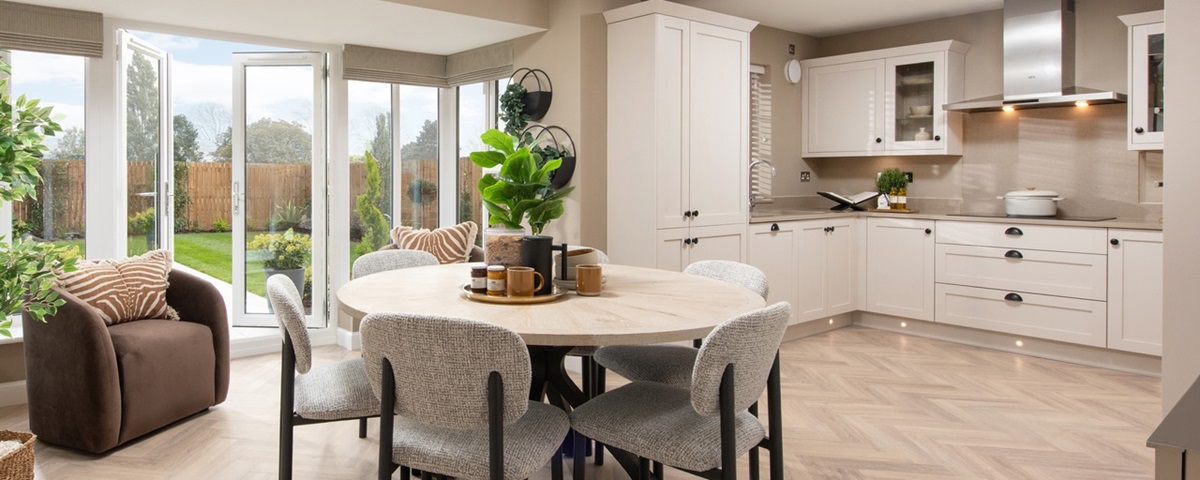
Many tenants may be drawn to the look and feel of a new-build home. Modern finishes, modern layouts and up-to-date amenities can make a strong first impression. Developments may also include communal spaces or be in desirable locations with better transport links, which can boost their appeal to prospective tenants.
Potential drawbacks to consider
While a buy to let new build can offer many benefits, there are some factors you may want to keep in mind, such as:
- Higher purchase prices. Property prices for new builds can sometimes be higher than comparable older homes. This may affect your initial rental yield
- Competition affecting demand. You may also find that, as a new development grows, there can be competition from similar properties nearby. Over time, this may influence rental market pricing and demand
- Evolving tax rules and interest changes. As with any buy to let investment, market conditions, interest rates and changes in legislation could also impact how much you make on your investment
It can be helpful to weigh up these drawbacks before investing in a buy to let property.
New builds vs older properties: key differences
When comparing a buy to let new build with an older home, the differences will often come down to cost, upkeep and tenant preferences. The table below highlights a few of these differences:
|
Type of property |
Differences |
|
New build property |
|
|
Older property |
|
If you’re exploring a buy to let property investment, the right new home will often depend on your long-term goals and how hands-on you want to be as a landlord.
Buy to let rental yields and long-term value
Rental yield is often used to measure how profitable a buy to let investment will be. To calculate it, compare your projected annual rental income with the property’s purchase price to calculate profitability. A strong yield would be between 5–8%. These yields are often used by lenders to assess whether you will be able to make the monthly mortgage payments.
New-build homes can sometimes deliver slightly lower initial yields due to higher purchase prices. However, they may offer better long-term value compared to older properties, thanks to their improved energy efficiency and potentially lower maintenance costs.
Factors affecting buy to let investments
Every investment is different and several factors can influence your property’s profitability. These can include:
- Location and rental demand
- Purchase price and mortgage rates
- Property type and condition
- Rental income potential
- Ongoing maintenance and management costs
- Legal and tax requirements
For example, a well-connected location with strong employment opportunities may attract more tenants. There may also be other factors that affect your buy to let property, so it is worth exploring all avenues before investing.
Who are buy to let new build properties suitable for?
A buy to let new build could be suitable for you for a range of reasons, including:
- Modern fixtures, fittings and appliances
- Energy efficient features like double or triple glazing and improved insulation
- Lower maintenance costs initially thanks to warranties
Whether you decide on a new build or an older property as a buy to let investment, make sure to consider other factors such as location and budget (in case of changes to interest rates).
Costs to consider when investing in buy to let property
Before committing to a buy to let property investment, it’s important to understand the costs involved. These will often go beyond the initial purchase price. Common costs may include:
- Deposit and mortgage fees
- Stamp Duty Land Tax (SDLT) or equivalent in Wales and Scotland
- Legal and conveyancing fees
- Letting agent or management fees
- Maintenance and repairs
- Insurance and safety checks
Factoring in the extra costs can help you build a more accurate picture of your potential returns.
Is Stamp Duty higher for buy to let properties?
A buy to let property is considered an additional property which means your Stamp Duty costs will be higher than if you were replacing your primary residence. You will need to pay a 5% surcharge on the entire purchase price, in addition to the standard rates.
Expert insight: what makes a strong buy to let investment
We spoke to a David Wilson Homes mortgage adviser, about what makes a strong buy to let property investment. Here's what he said:
“A strong buy to let investment will often combine several key qualities besides a competitive rental yield potential. While there is no single formula, successful properties tend to share common features. These can include a desirable location with strong rental demand, good transport links and local amenities. A buy to let new build can align with many of these factors, particularly in growing areas where demand for modern housing is high.”
FAQs about buy to let new build investments
-
In most cases, you can rent out a new-build home once the purchase is complete, provided your mortgage terms allow it. It’s important to check your agreement, as some lenders may have specific conditions.
-
Yes, most new-build homes will include a warranty and insurance through a provider such as the NHBC. This can include a structural warranty that lasts up to 10 years. This can help cover certain defects and provide reassurance during the early years of ownership.
-
You may find that new-build homes are easier to manage, especially at the start, as they are equipped with modern features and appliances that often require fewer repairs and updates than older properties.
-
Yes, you can choose to let your property furnished or unfurnished, depending on your target tenants. Furnished properties may appeal to short-term renters, while unfurnished options often attract long-term tenants.
Explore our range of new homes across the UK, with offers to help you purchase a buy to let property. Make sure to check our T&Cs to see if you’re eligible.
Call or visit our Sales Advisers at your nearest development to find out more.
Disclaimer:
This article is for general informational purposes only and does not constitute professional advice. Please speak with a mortgage, financial or legal adviser for more information regarding your specific circumstances.
Related Articles
-

Signs you’re ready to buy your first home
Jun 02, 2026 -

7 tips for stepping onto the property ladder
Jun 02, 2026 -

How to buy a home for the second time
May 07, 2026


