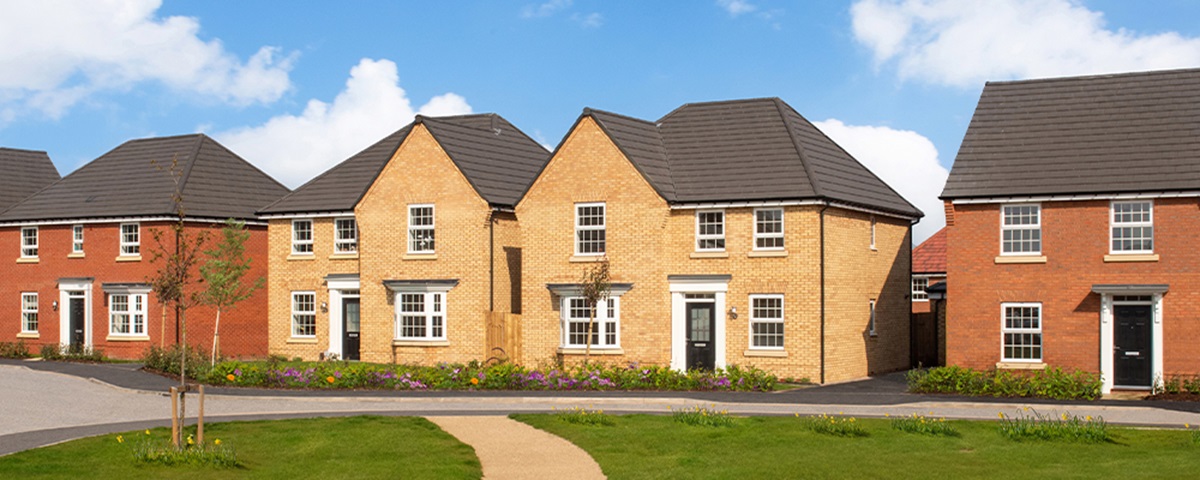
This guide explains the process of buying a new-build house and what happens after you’ve secured your chosen property, helping you better understand what to expect next.
Key takeaways
- Reserving a new-build home means paying a fee to secure a specific property for a limited time while you arrange your mortgage and your solicitor conducts the legal work
- The reservation agreement is not legally binding, but it signals intent and starts the process towards exchanging contracts
- Progress typically takes place within the reservation period to retain the property, with key steps including instructing a solicitor and finalising a mortgage
What does it mean to reserve a new build home?
Reserving a new-build home involves securing your chosen property before exchanging contracts. To do this, you’ll typically pay a reservation fee, which takes the home off the market for a defined period and fixes the price while mortgage arrangements and legal instruction are underway.
The reservation period is time-limited, with progress towards purchase taking place within this window to retain the property.
A reservation isn’t legally binding. Either you or the developer can withdraw before contracts are exchanged, although you may lose some or all of your reservation fee depending on the terms.
How the reservation process works
Once you’ve found the right home, the reservation process might look something like this:
- Choosing your plot. You select your preferred property and confirm availability with the developer
- Paying the reservation fee. This secures the home and removes it from the market for a set period
- Instructing a solicitor. A legal professional acts on your behalf to carry out the conveyancing process
- Arranging your mortgage. If not already in place, you can finalise your mortgage application. Obtaining a Decision in Principle (DIP) may help move things forward, as this shows the seller you’re a serious buyer
- Exchanging contracts. Following legal checks and mortgage arrangements, contracts can be exchanged and the purchase is formally agreed
A new-build home’s reservation fee is usually deducted from the final purchase price on completion.
What happens after you reserve a home?
After reserving your new-build home, there are more stages of the buying process. Your solicitor will typically begin the legal work, including reviewing contracts and carrying out conveyancing checks. At the same time, you can finalise your mortgage application and secure formal approval from your lender if you used a DIP earlier.
Depending on the property, you may also arrange surveys or snagging inspections to check everything is in order. Once all legal and financial checks are complete, you’ll exchange contracts – making the purchase legally binding – before moving on to completion, when the property officially becomes yours.
Our homebuying guide has more information on the steps involved in purchasing a property
Reservation fees explained
A reservation fee is a payment you make to secure a new build home and take it off the market while you move forward with the purchase. The amount can vary depending on the developer and property, but it’s typically between £500 and £2,000.
In many cases, the fee is deducted from the final purchase price at completion. If the purchase does not go ahead, some or all of the fee may be retained, depending on the homebuilder’s terms and conditions.
How long does a reservation last?
A reservation on a new-build home usually lasts for a fixed period, giving you time to move forward with the purchase. This timeframe is typically around 28 days, though it can vary by developer.
You can use this window to arrange your mortgage and instruct a conveyancer or solicitor to complete the necessary legal work ahead of exchanging contracts.
Contracts are typically exchanged within the agreed reservation period, with timelines set by the developer and outlined at the point of reservation.
What to consider before reserving a property
Before reserving a new build home, many buyers consider several factors, such as:
- Finances. Having funds available for the deposit on a new build, as well as the reservation fee and other buying costs
- Decision in Principle. Having a DIP may help move the process along and can indicate your position as a serious buyer
- Property suitability. Checking the home aligns with your current and future needs, including size, layout and specifications
- Location. Considering the surrounding area, including transport links, local amenities and schools where relevant
Comparing reserving a new build vs buying an existing home
The process differs slightly depending on whether you’re buying a new-build home or an existing (resale) home. Here’s how they compare:
|
Stage |
New build home |
Existing home |
|
Securing the property |
Reservation fee secures the plot for a fixed period |
An offer is made and negotiated with the seller |
|
Initial commitment |
Reservation agreement (not legally binding) |
Offer accepted (not legally binding) |
|
Timeline |
Often fixed deadline (e.g. ~28 days to exchange) |
More flexible, can vary depending on the chain |
|
Fees upfront |
Reservation fee (typically £500–£2,000) |
No reservation fee; costs begin during conveyancing |
|
Completion timing |
May depend on build progress or completion date |
Usually aligned with the seller’s moving timeline |
Common challenges during the reservation process
There can be some challenges when reserving a new build house, including:
- Tight legal deadlines. Developers may expect contracts to be exchanged within the reservation period. Delays with your mortgage or legal work can put your reservation at risk
- Financial commitments. Reservation fees may be non-refundable, and mortgage offers can expire if the build is delayed
- Construction delays. Building timelines can shift due to factors like weather or supply issues, which may affect your moving plans
Why the reservation stage is important
The reservation stage marks a key step in your homebuying journey, setting everything in motion. While it isn’t legally binding, it signals serious intent from both you and the developer.
An expert from David Wilson Homes explains: “Reserving a new build home is the point where a buyer moves from interest to commitment. It marks the start of the legal process and sets clear timelines, so it can help to be prepared to act quickly.”
“Having your finances in place before reserving can make a difference. Reservation periods are often tight, so being ready helps lower the risk of missing out on the property.”
FAQs about reserving a new build home
-
My developers allow buyers to reserve a property off-plan before construction is complete or before visiting in person. This is often done using virtual tours, brochures and show homes with similar layouts. However, you may choose to review the property’s plans carefully to understand its specifications, as the finished property may differ slightly from initial designs.
-
In most cases, the agreed purchase price is fixed at the point of reservation. However, this may depend on the terms in your reservation agreement. Optional extras, upgrades or changes you request after reserving could increase the overall cost, so it can be worth confirming what is included in the agreed price.
-
Developers sometimes offer incentives to encourage reservations, such as contributions towards legal fees, upgrades or schemes. These incentives usually vary by development and availability, and they may be subject to conditions or time limits.
Ready to start your homebuying journey? At David Wilson Homes, we have a range of new build properties available. Browse our current offers and schemes to find out how we could help you get on the property ladder.
Call our Sales Advisers today to learn more.
Disclaimer:
This article is for general informational purposes only and does not constitute professional advice. Please speak with a mortgage, financial or legal adviser for more information regarding your specific circumstances.
Related Articles
-

How long does it take to move into a new build home?
Jan 26, 2021 -

Moving from renter to homeowner
Jul 06, 2026 -

How to buy a home for the second time
May 07, 2026


